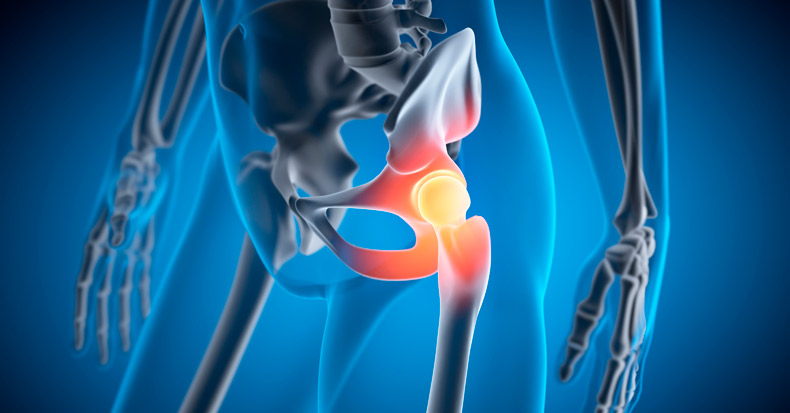
The hip is a ball-and-socket joint in which the femoral head meets the pelvis, supported by several layers of cartilage and other soft tissues that allow for a wide range of motion. While this design provides mobility, it also creates multiple opportunities for instability and irritation that can result in what is generally referred to as hip pain. However, there are many potential causes of hip pain, and the specific characteristics of a patient’s symptoms can help guide the healthcare provider—such as a doctor of chiropractic—on what to evaluate during the physical examination.
Anterior (front) hip pain may suggest osteoarthritis, particularly in middle-aged and older individuals with gradual symptom onset and pain that increases after prolonged sitting or walking. In contrast, younger and more athletic adults who present with groin pain that worsens during hip flexion and rotation may have femoroacetabular impingement or a labral tear. Sport collisions or other forms of trauma can also result in hip flexor muscle strains that produce pain in the front of the hip.
Lateral (side) hip pain is often associated with greater trochanteric pain syndrome, especially in middle-aged women who report discomfort when lying on the affected side. In many cases, there is no clear inciting injury, and the area may be painful or tender when touched or palpated.
Posterior (back) hip pain is less commonly due to a primary hip joint condition and is more often referred from another structure. Potential sources include the lumbar spine, sacroiliac joint dysfunction, deep gluteal syndrome (also known as piriformis syndrome), or strain or tendinopathy at the proximal hamstring attachment.
Certain red-flag conditions require urgent referral to an emergency department or specialist. These include femoral neck fracture—typically in older adults with osteoporosis or after a fall or trauma—often presenting with inability to bear weight and a shortened, externally rotated leg; septic arthritis, which may involve fever, severe joint pain with movement, and elevated inflammatory markers on blood or joint fluid testing; and avascular necrosis, in which interruption of blood supply to the femoral head causes bone tissue death, potentially leading to joint collapse, chronic pain, and limited mobility (often requiring MRI for diagnosis).
The good news is that many causes of hip pain, aside from these red-flag conditions, respond well to conservative chiropractic care. Treatment is often multimodal and may include a combination of manual therapies such as manipulation, mobilization, and soft-tissue techniques; therapeutic exercises and stretching; temporary activity modification followed by gradual return to normal activities; physiotherapy modalities to support healing; and nutritional recommendations aimed at reducing inflammation. If dysfunction in an adjacent area, such as the low back or knee, is contributing to the hip condition, these regions may also need to be addressed to achieve the best outcome.