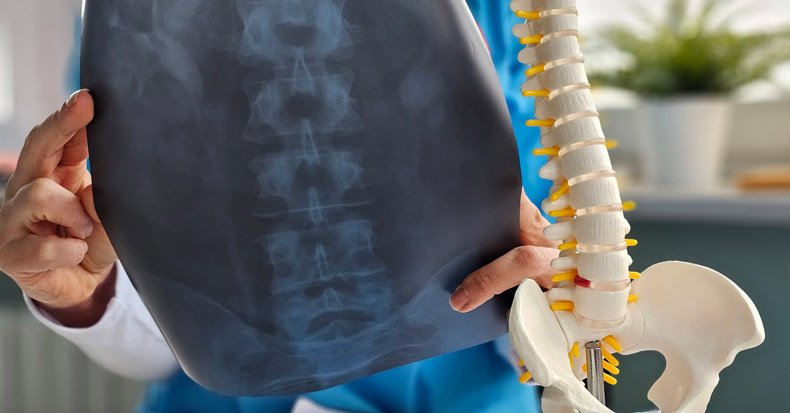
Low back pain is one of the most common health complaints in the world and one of the leading reasons patients seek chiropractic care. For many patients, the first question is, “What is causing the pain?” The answer is not always simple.
In general, low back pain can be divided into two categories: specific and non-specific low back pain. Specific low back pain refers to cases where a clear underlying pathology can be identified. Examples include fractures, infections, tumors, inflammatory diseases, or disc herniations with significant nerve compression. These conditions are important to recognize because they may require medical intervention or specialized care. Fortunately, these more serious causes account for only about 10–15% of low back pain cases.
That means approximately 85% of cases are considered non-specific. The term non-specific does not mean the pain is imaginary or that nothing is wrong. It simply means there is no single obvious structural problem that clearly explains the symptoms. This can sometimes surprise patients who expect an MRI or X-ray to reveal one identifiable cause. However, research has shown that many common imaging findings—such as disc bulges, arthritis, or spinal degeneration—are also frequently found in people with no pain at all.
Today, non-specific low back pain is understood to be multifactorial and may involve a combination of joint irritation, muscle dysfunction, reduced mobility, physical deconditioning, repetitive strain, stress, poor sleep, inflammation, and nervous system sensitization. Sometimes the pain begins after an injury. Other times it develops gradually with no clear trigger. This complexity is one reason why back pain can vary so much from person to person and why effective treatment often requires an individualized approach.
Clinical guidelines for non-specific low back pain typically emphasize conservative care, movement, and an activity plan whenever possible. Chiropractic care can be an excellent option for many patients with low back pain. Doctors of chiropractic are trained to evaluate the spine and musculoskeletal system, identify red flags that may require medical referral, and provide conservative treatment for many common back pain conditions. Treatment may include spinal manipulation, mobilization, soft tissue therapies, exercise recommendations, postural guidance, and patient education.