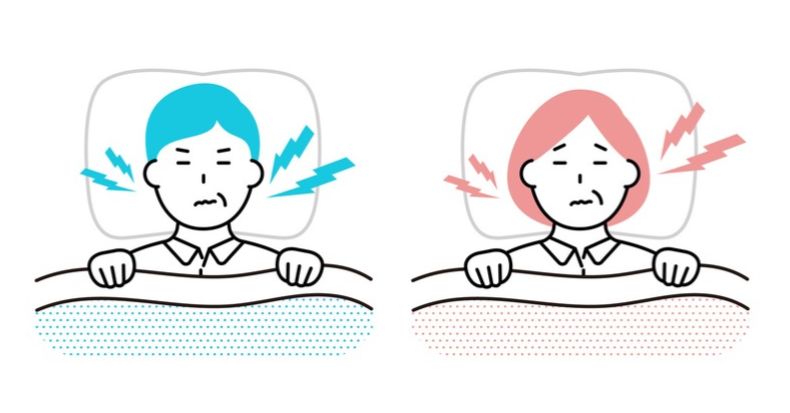
Bruxism involves repetitive jaw-muscle activity, including clenching or grinding the teeth, that can occur during sleep or while awake. While occasional teeth grinding may not cause noticeable problems, frequent or forceful episodes can contribute to jaw pain, headaches, tooth wear, and discomfort around the temporomandibular joint (TMJ). Common management strategies include stress reduction, behavioral changes, and custom-fitted dental appliances designed to protect the teeth. However, emerging research suggests that addressing muscle tension in the jaw and neck may provide additional relief for some patients.
Two muscles of particular interest are the masseter, a powerful chewing muscle located along the jaw, and the sternocleidomastoid, which runs along each side of the neck and helps move the head. Research suggests that myofascial release applied to these muscles may help reduce jaw and neck pain and improve mouth-opening ability in some individuals with bruxism. Myofascial release is a hands-on treatment that uses controlled pressure applied with the hands or specialized tools to address muscle tension and improve the movement of surrounding tissues.
The relationship between bruxism and the cervical spine, or neck, has also attracted scientific attention. In one study, researchers compared patients with chronic neck pain who had probable sleep bruxism with those who did not. Participants with probable sleep bruxism reported greater neck-related disability and demonstrated differences in cervical spine posture compared with those without probable bruxism. Among those with probable bruxism, greater forward positioning of the cervical spine was also associated with increased nighttime pain. Although these findings do not establish whether neck problems contribute to bruxism or develop alongside it, they suggest that jaw symptoms and neck function may be closely connected.
These findings also highlight why managing bruxism-related discomfort may require attention to more than the teeth alone. While dental appliances can help protect teeth from grinding-related damage, they may not fully address associated muscle pain or neck discomfort. For patients with persistent symptoms, evaluating the muscles and joints of both the jaw and cervical spine may help identify additional sources of discomfort.
Chiropractors are trained to evaluate and manage musculoskeletal problems involving the jaw and neck, and when appropriate, treatments aimed at reducing muscle tension and improving joint function may complement dental care and other bruxism management strategies.