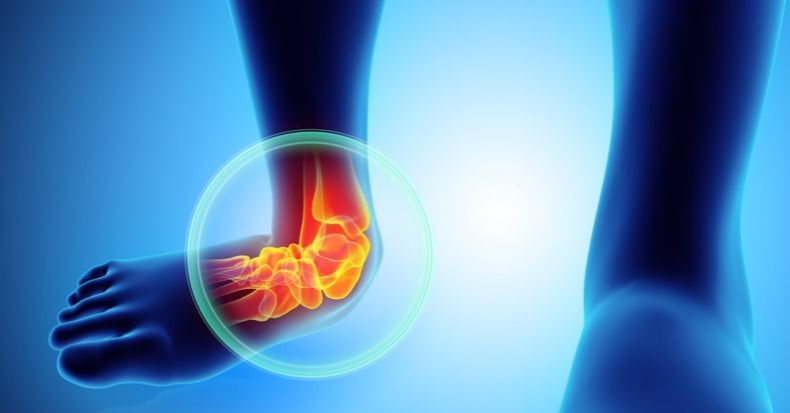
Ankle sprains are among the most common musculoskeletal injuries, often occurring when the foot twists or rolls beyond its normal range of motion. Although many people recover with appropriate care, others experience lingering pain, stiffness, or instability that can affect how they walk, run, and perform everyday activities. Emerging research suggests that the consequences of an ankle injury may extend beyond the affected joint, potentially influencing movement patterns and contributing to musculoskeletal discomfort elsewhere in the body.
A common problem following an ankle injury is reduced dorsiflexion, the movement that brings the top of the foot toward the shin. This motion is essential for walking, climbing stairs, squatting, and running. When ankle dorsiflexion is limited, the body may compensate by changing how the foot, knee, or hip moves during weight-bearing activities. These adjustments can affect movement efficiency and may place additional demands on surrounding muscles and joints. A meta-analysis of four clinical trials found that manual therapy applied to the ankle joint improved dorsiflexion during weight-bearing activities. These findings suggest that hands-on treatment may help address lingering mobility restrictions following an ankle injury.
The potential effects of ankle injuries may also extend to the lower back. In one study, researchers found that 54% of individuals with an ankle injury reported low back pain, compared with 9.54% of those without an ankle injury. After accounting for other risk factors, participants with ankle injuries had approximately 19 times the odds of reporting nonspecific low back pain, meaning discomfort without a clearly identifiable structural cause. Although these findings do not establish that ankle injuries cause back pain, they raise the possibility that lingering ankle problems and changes in movement patterns may contribute to discomfort elsewhere in the body.
Beyond improving ankle mobility, manual therapy to improve joint movement and address restrictions in surrounding tissues may also help patients during the early stages of ankle sprain recovery. In a study involving 45 young adults seeking care for an acute ankle sprain, participants who received a single manual therapy treatment alongside standard care experienced greater improvements in pain, mobility, and functional stability over the following three weeks.
Comprehensive ankle rehabilitation generally involves more than reducing pain and swelling. Restoring joint mobility, strengthening supporting muscles, and improving balance, coordination, and awareness of ankle position can help patients regain confidence in everyday movement. Chiropractors are trained to evaluate musculoskeletal injuries, identify findings that may require referral, and provide conservative care when appropriate. By addressing lingering ankle restrictions and restoring normal movement, patients may be better equipped to return to their usual activities and reduce the likelihood of ongoing problems.