Surveys suggest that a majority of adults report feeling stressed on a regular basis, and chronic stress has been associated with a variety of health concerns, including sleep problems, headaches, digestive issues, anxiety, elevated blood pressure, and reduced overall well-being. While stressful situations cannot always be avoided, lifestyle habits can influence how effectively the brain and body respond to challenges and recover afterward.
After an overnight fast, the brain requires a steady supply of glucose to function efficiently. Eating breakfast may help stabilize energy levels, reduce large fluctuations in blood sugar, and support attention, decision-making, and emotional regulation throughout the day. More stable blood sugar levels may also support healthy cortisol rhythms. When blood sugar drops significantly, the body may activate stress pathways to restore energy availability, which can contribute to irritability, anxiety, difficulty concentrating, and mental fatigue.
Adequate sleep supports emotional regulation, healthy cortisol production, recovery from daily stressors, and effective problem-solving. It also helps reduce activation of the sympathetic, or “fight-or-flight,” nervous system. In contrast, insufficient sleep has been associated with increased emotional reactivity, greater perceived stress, anxiety symptoms, higher levels of inflammation, and a reduced ability to adapt to challenges. Even a few nights of poor sleep can make everyday stressors feel more overwhelming.
Exercise helps regulate stress hormones, supports healthy nervous system function, increases production of mood-regulating neurotransmitters, and promotes the release of endorphins. It may also improve sleep quality and cognitive performance. In many ways, exercise acts as a form of controlled stress that teaches the body and brain to adapt more efficiently when future stressors arise.
Nutritious eating patterns may also support stress resilience. Diets that emphasize fruits, vegetables, whole grains, lean proteins, and other minimally processed foods provide nutrients that support healthy brain function and stable energy levels. These foods may also help reduce chronic inflammation and promote healthy blood sugar regulation. Emerging research suggests that a healthy gut microbiome may influence mood, emotional regulation, and the body’s response to stress through ongoing communication between the gut and brain.
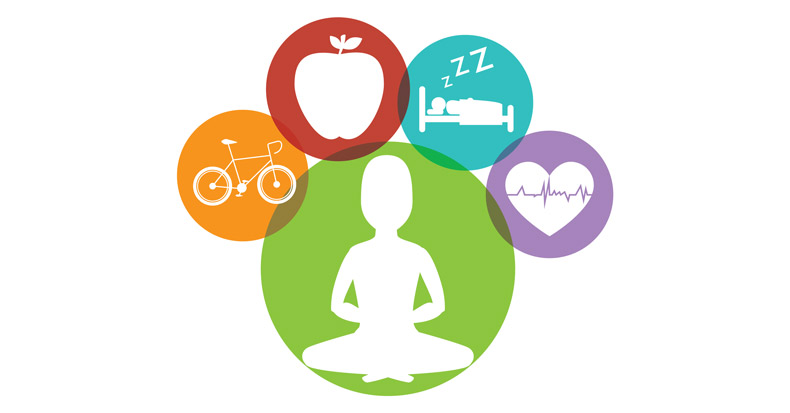
The big picture is that stress resilience is not determined by any single habit. Consistently eating nutritious meals, getting adequate sleep, and engaging in regular physical activity appear to create a physiological environment that helps the brain and body respond to challenges more effectively. Healthy habits may not eliminate stress, but they can improve the body’s capacity to recover from stress and adapt to future demands.