Chronic low back pain is defined as back pain that lasts for three months or longer. It affects millions of adults and is one of the leading causes of disability worldwide. It’s estimated that more than 600 million individuals worldwide are living with chronic low back pain at any given moment. While injuries, age-related changes, and certain medical conditions can contribute to persistent back pain, research suggests that several modifiable lifestyle habits may also influence the likelihood that back pain develops or becomes chronic:
- Prolonged Sitting – Sitting for more than six hours a day can increase stress on the lower back, reduce muscle activity, contribute to stiffness, and promote physical deconditioning over time.
- Physical Inactivity – Regular movement helps maintain the strength, flexibility, and endurance needed to support the spine. Inactivity may contribute to muscle weakness, reduced mobility, excess body weight, and lower physical resilience.
- Elevated Stress – Chronic stress can increase muscle tension, disrupt sleep, heighten pain sensitivity, and affect how the nervous system processes pain signals. Individuals under ongoing stress often report greater pain intensity and slower recovery.
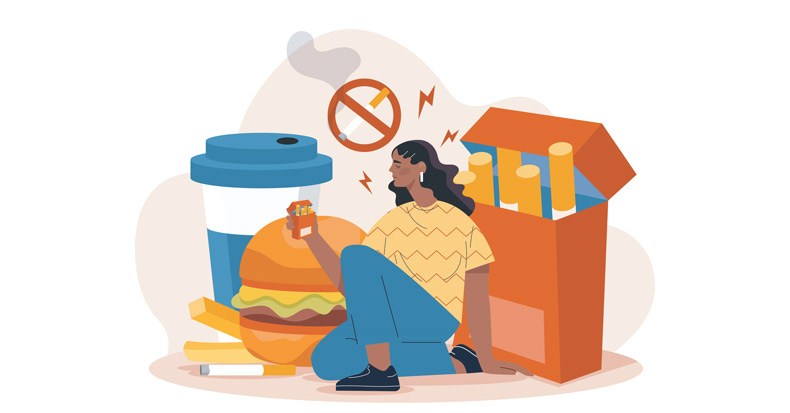
- Smoking – Smoking has been linked to reduced blood flow to spinal tissues, increased inflammation, impaired healing, and accelerated age-related changes in the spinal discs. Smokers are more likely to develop chronic low back pain and often report more severe symptoms.
- Unhealthy Diet – Poor nutrition may contribute to inflammation, reduced tissue repair, excess body weight, and metabolic health challenges. Low protein intake may also contribute to loss of muscle mass, including the muscles that help support and stabilize the spine.
In addition to chiropractic care, which may include spinal manipulation, other manual therapies, and therapeutic exercises, patients with chronic low back pain are often encouraged to address these modifiable risk factors. Not only can this support recovery, but a healthier lifestyle may also reduce the risk of future episodes of back pain.