
The human body is designed to effectively absorb and disperse vertical forces. This allows humans to jump off a curb, walk-run-jump, to stuff basketballs and engage in many other sports activities, plop down into a couch, etc., without injury. In contrast, humans are not well designed to effectively absorb and disperse horizontal forces. The injuries […]
Search Results for: how to prevent whiplash
At-Home Exercise for Whiplash Associated Disorders
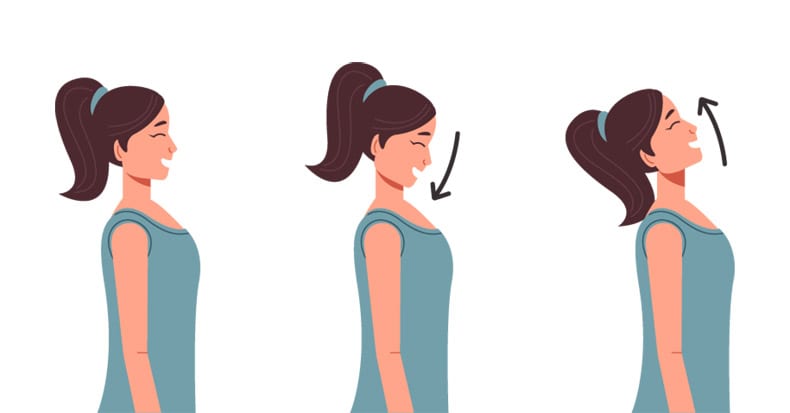
There is plenty of research supporting chiropractic care as an excellent approach for managing whiplash associated disorders (WAD). While the in-office treatment aspect of care—spinal manipulation, mobilization, soft tissue therapy, massage, modalities, etc.—is important for restoring motion and reducing pain in the neck and surrounding areas, it’s the at-home exercises that not only maintain those […]
Whiplash Injury and the Uncinate Process

The Joints of Hubert von Luschka A Unique Chiropractic Perspective The spot where two bones come together is called a joint. Some joints do not allow for much motion, like the joints between the various bones of the skull. Other joints allow for smooth movement between the adjacent bones. These joints are called synovial joints. […]
Chiropractic Care for Whiplash Injuries

Whiplash associated disorders (WAD) describes a constellation of symptoms that can arise following a motor vehicle collision (MVC), sports collision, or slip and fall. The typical initial treatment approach for WAD is non-surgical care, but what does the research say is the best non-surgical approach? To start, most (if not all) studies on WAD center […]
Whiplash Injury, Severity, and Recovery

Experts estimate that whiplash associated disorders (WAD) from motor vehicle collisions (MVCs) affect about 300 for every 100,000 people in the Western each year. Suffice it to say, that’s a lot of people! Crash tests have demonstrated that the risk for whiplash is much greater when the backrest is leaned backward and/or when a headrest […]
Can Whiplash Treatment Outcomes Be Predicted Early On?

Whiplash associated disorders (WAD) refers to a collection of neck-related symptoms that are most commonly associated with car crashes. Experts estimate that up to 50% of acute WAD-injured patients will develop some form of long-term disability. Being able to predict who is more likely to develop long-term disability is VERY important, as it can place […]
How Does Chiropractic Help Whiplash Patients?

Whiplash associated disorder (WAD) injuries usually result from rear-end, low-impact crashes with about 90% occurring at speeds less than 14 mph. Approximately 40% of all WAD patients develop long-term, chronic problems. Let’s look at how chiropractic care can help crash-injured patients recover and return to their normal lives… REDUCE INFLAMMATION: Inflammation occurs when ligaments and […]
Chronic Pain and Whiplash

Most sprains and strains typically take six weeks to recover, provided the patient receives proper care, which may include self-management strategies. However, something is different about a whiplash associated disorders (WAD) injury in that many patients do not recover. At the Whiplash 2017 Symposium held in Australia, Dr. Michele Sterling stated, “Whiplash associated disorders are […]
Posture and Whiplash

Posture assessment is a key component of the chiropractic examination, and the posture of the head and neck is especially important for a patient recovering from a whiplash injury. Forward head carriage describes a state in which the head sits more forward on the shoulders than it should. In order for the muscles in the […]
The Importance of Early Treatment for Whiplash

Even though whiplash or whiplash associated disorders (WAD) is very common, it remains poorly understood. Recent studies report that up to 60% of people may still have pain six months after their injury. Why is that? Investigations have shown there are changes in the muscle and muscle function in the neck and shoulder regions in […]
- « Previous Page
- 1
- 2
- 3
- 4
- 5
- …
- 11
- Next Page »